Mostrando entradas con la etiqueta "casos autoctonos". Mostrar todas las entradas

martes, 2 de agosto de 2016

Recomendaciones del CDC tras los casos en Miami, que ya son 14

En relación con los casos de el barrio de Winwood de Miami la CDC recomienda:

  • Pregnant women not travel to the identified area. 
  • Pregnant women and their partners living in this area should consistently follow steps to prevent mosquito bites and sexual transmission of Zika. 
  • Pregnant women who traveled to this area on or after June 15, 2016, should talk with their healthcare provider and should be tested for Zika.
  •  Pregnant women without symptoms of Zika who live in or frequently travel to this area should be tested for Zika virus infection in the first and second trimesters of pregnancy. 
  • Male and female sexual partners of pregnant women who live in or who have traveled to this area should consistently and correctly use condoms or other barriers against infection during sex or abstain from sex for the duration of the pregnancy.
  •  All pregnant women in the United States who live in or travel to an area with active Zika virus transmission, or who have sex with a partner who lives in or traveled to an area with active Zika virus transmission without using condoms or other barrier methods to prevent infection should be assessed for possible Zika virus exposure during each prenatal care visit and tested according to CDC guidance. 
  • Women and men who traveled to this area wait at least 8 weeks before trying for a pregnancy; men with symptoms of Zika wait at least 6 months before trying for a pregnancy. 
  • Women and men who live in or frequently travel to this area who do not have signs or symptoms consistent with Zika virus disease and are considering pregnancy should consider the risks associated with Zika virus infection, and may wish to consult their healthcare provider to help inform their decisions about timing of pregnancy.
  •  Anyone with possible exposure to Zika virus and symptoms of Zika should be tested for Zika.

sábado, 30 de julio de 2016

Más información sobre los 4 posibles casos autóctonos de Florida


Leyendo en las fuentes sobre la llegada del día que los USA se temía, y que la biología del mosquito hacía plausible de que tuviera casos autóctonos llegara:

Gov. Scott: With Likely Mosquito-Borne Zika Cases, State Will Use Full Resources to Protect Floridians

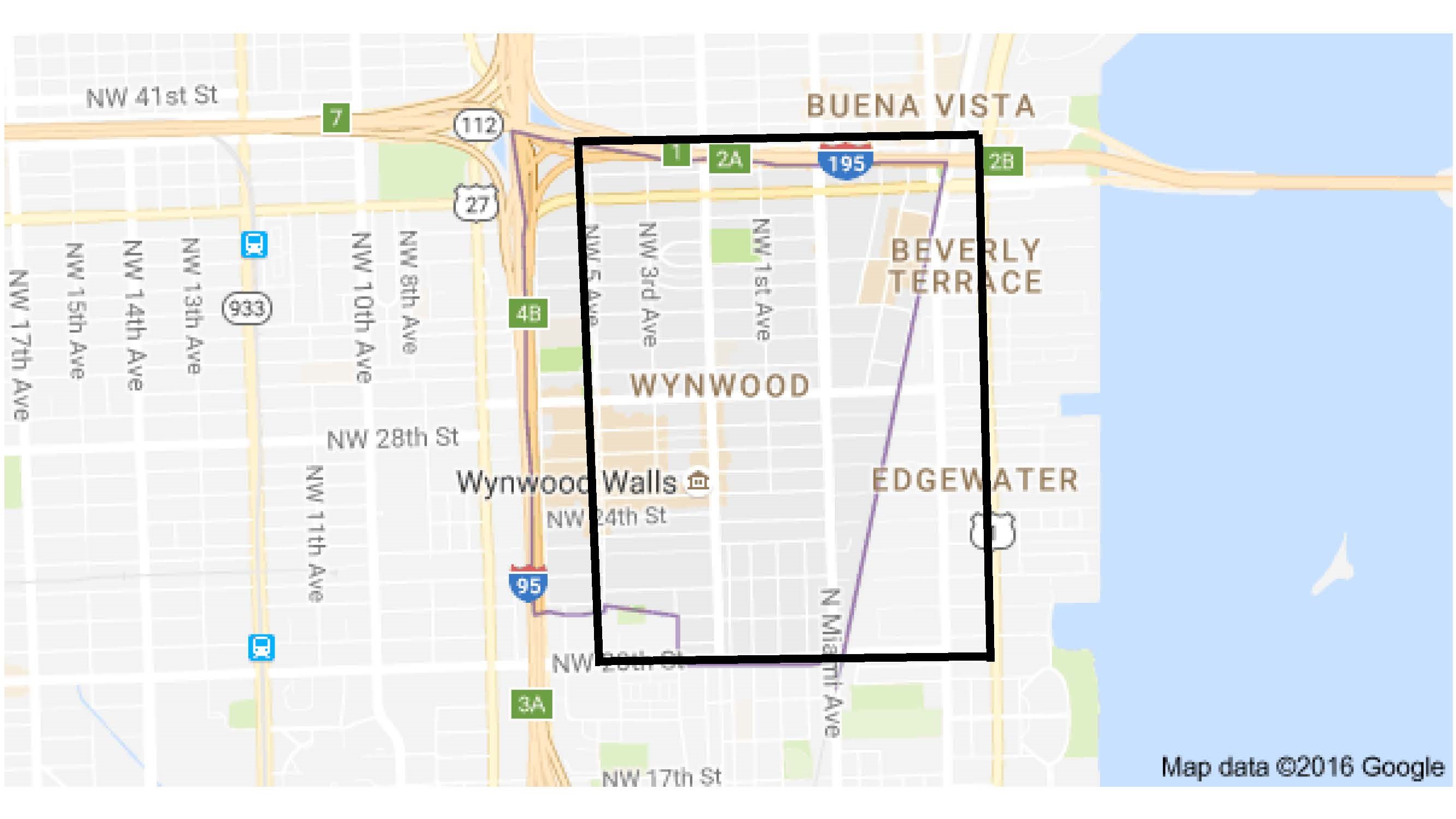
Today, Governor Rick Scott announced that the Florida Department of Health (DOH) has concluded that four cases of the Zika virus are likely mosquito-borne. DOH knows that the four cases are in Miami-Dade and Broward Counties. One of these cases involves a woman and the other three cases involve men. At this time, DOH believes that active transmissions of the Zika virus are occurring in one small area in Miami-Dade County, just north of downtown. The exact location is within the boundaries of the following area: NW 5th Avenue to the west, US 1 to the east, NW/NE 38th Street to the north and NW/NE 20th Street to the south. This area is about 1 square mile and a map is below to detail the area. This is currently the only area of the state where DOH is testing to see if there are local transmissions of Zika. They are all active Zika cases and have not exhibited symptoms to be admitted to the hospital.

En este enlace se presenta la zona donde han aparecido los casos y sometida a las medidas de control de los mosquitos.

http://www.floridahealth.gov/_documents/newsroom/press-releases/_images/072916-local-zika-map.jpg


Por otra parte la FDA prohíbe la recolección de sangre de estos dos condados:


Advice to Blood Collection Establishments on Non-Travel Related Cases of Zika Virus in Florida

y dice entre otras cosas:

In consideration of the possibility of an emerging local outbreak of Zika virus, and as a prudent measure to help assure the safety of blood and blood products, FDA is requesting that all blood establishments in Miami-Dade County and Broward County cease collecting blood immediately until the blood establishments implement testing of each individual unit of blood collected in the two counties with an available investigational donor screening test for Zika virus RNA or until the blood establishments implement the use of an approved or investigational pathogen inactivation technology.

jueves, 21 de julio de 2016

Cambios en las herramientas informativas de PAHO


Durante estas 3 semanas de curso en LSHMT han pasado cosas de las que nos vamos dando cuenta. Entre ellas los cambios en las herramientas informativas que la PAHO pone a disposición de las personas interesadas en seguir los casos habidos de infecciones por ZIKV.

Aunque el enlace al mapa con los casos en los países del ámbito de la PAHO  (ais.paho.org/phip/viz/ed_zika_epicurve.asp) ha desaparecido sin aviso, hay una nueva herramienta con informes por país y una nueva herramienta de casos por países, no de la Región, como era la herramienta del enlace arriba indicado.

Aquí los informes por país:
Países y territorios que notificaron transmisión autóctona en la Región de las Américas en 2015-2016

Ahora el enlace que lleva al mapa es éste:
Geographic distribution of confirmed autochthonous cases of Zika virus (vector-borne transmission) in countries and territories of the Americas, 2015-2016


lunes, 27 de junio de 2016

Riesgo de casos autóctonos de infeccion por ZIKV en EU

El ECDC  ha publicado el 27 de juio de 2016 el breve documento Preparing for Zika in the EU en el que apunta entre otras cosas al mayor riesgo de tener casos autóctonos de infecciones por ZIKV en Madeira, dado que allí existe Ae Aegypti.

Habla de un brote por chikungunya en 2014 en Montpellier y lo refiere como ejemplo de lo que hay que hacer tras la aparición de un caso. En el artículo CHIKUNGUNYA OUTBREAK IN MONTPELLIER, FRANCE, SEPTEMBER TO OCTOBER 2014, publicado en Eurosurveillance, Volume 20, Issue 17, 30 April 2015 se describe las actuaciones llevadas a cabo en relación con los casos y los sistemas de vigilancia y tratamiento de los insectos en la zona.


In mainland France, since 2006, a chikungunya and dengue preparedness and contingency plan is implemented every year in vector-colonised districts. This plan aims to prevent the transmission and dissemination of these viruses [3,6]. It describes five risk levels defined according to entomological and epidemiological surveillance results. All clinically-suspected imported cases must be reported to the regional health authority in addition to mandatory notification of confirmed cases. Epidemiological investigations are then implemented as well as appropriate vector control measures in each location visited by patients during their period of viraemia. In addition, a network of laboratories practicing chikungunya and dengue diagnosis provides daily reports of their results to the French Institute of Public Health Surveillance regional boards. This enables identifying imported and autochthonous cases not already notified. A national database collects all suspected and confirmed cases identified during the season

Razonan los períodos de vigilancia:

The time after 28 July was considered as the maximal period for viral transmission from symptoms onset of the primary case to symptoms onset of the second case, considering a mosquito lifespan of maximum one month, human incubation of maximum 12 days and human viraemia of seven days.

Active case finding of suspected autochthonous cases was implemented in Montpellier and conurbation: (i) a door-to-door investigation was conducted in the neighbourhood of the autochthonous cases’ residences (200m radius). Nearly 1,000 households were targeted, representing ca 2,250 inhabitants; (ii) information on the event and a request to immediately notify all suspected autochthonous cases to the regional health authority was sent to all GPs and laboratories established in the Montpellier conurbation as well as all six emergency medical services (including the Montpellier UH). In addition, health professionals established within a 2km radius of the cases' residences were contacted by telephone (30 GPs and 11 laboratories).

Ya en una entrada anterior OMS Europa evalua el riesgo de infecciones por ZIKV, pero no hay sitio donde se recoja los casos que se van produciendo, de momento importados  referíamos el comentario de la ECDC  de que en Madeira y en el Mar Negro es donde hay más riesgo de casos autóctonos, transmitidos por el mosquito, dado que hay en estas zonas Aedes Aegypti.

Además de la transmisión por vector hay que considerar las transmisiones por vía sexual que los datos de Rio de Janeiro y de Colombia destacan como muy importante,

9/7/16

Veo que habla de la presencia de Ae Aegypti solo en Madeira, no en el continente. No nombra el Mar Negro como hacía en anteriores documentos.